DIY TIPS
Winter Plumbing Checklist
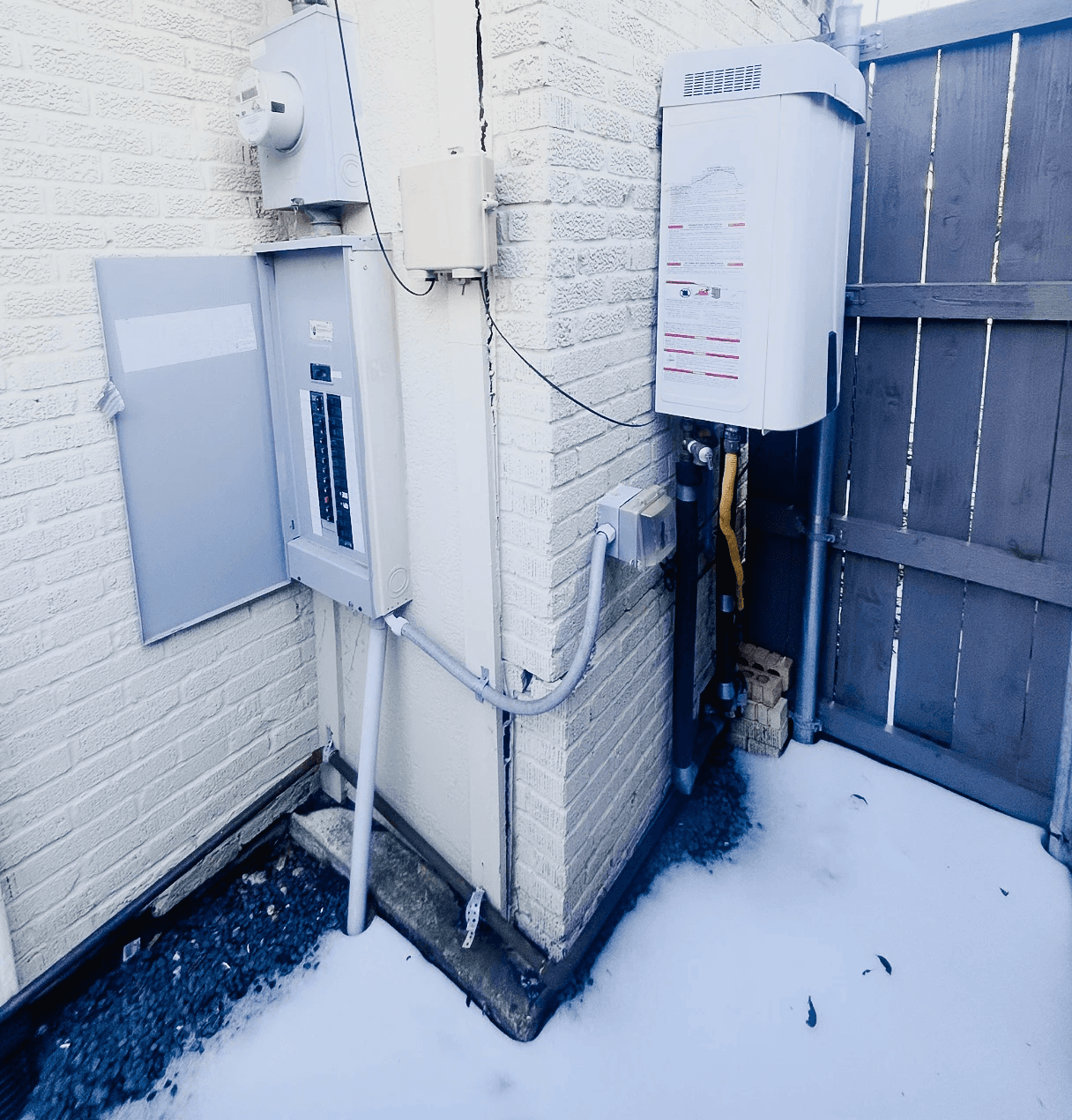
North Texas winters may not last long — but when temperatures drop suddenly, plumbing systems are often the first to suffer.
Frozen pipes, burst fittings, and slab leaks are some of the most expensive and preventable issues we see every year.
Here’s how to prepare your home before the next cold front hits.
Insulate Exposed Pipes
Check:
Garage walls
Attic spaces
Outdoor hose bibs
Crawl spaces
Any exposed pipe should be wrapped with foam insulation sleeves. Even a short freeze can cause unprotected lines to burst.
Disconnect and Drain Outdoor Hoses
Leaving a hose connected can trap water inside the faucet line.
When temperatures drop:
Disconnect hoses
Drain them completely
Store them indoors
If you have a shutoff valve for exterior spigots, turn it off and drain the line.
Know Where Your Main Water Shutoff Is
If a pipe bursts, every second matters.
Locate your home’s main shutoff valve now — not during an emergency. Make sure every adult in the home knows where it is and how to turn it off.
Keep Cabinets Open During Freezes
Pipes under sinks (especially on exterior walls) are vulnerable.
When temperatures drop below freezing:
Open cabinet doors
Let warm air circulate around pipes
Let Faucets Drip During Hard Freezes
A slow drip keeps water moving and reduces pressure buildup inside pipes.
You don’t need a stream — just a steady drip from both hot and cold lines.
Check Your Water Heater
Cold weather means higher demand.
Make sure there are no visible leaks
Listen for unusual popping or rumbling
Confirm it’s set between 120–130°F
If your water heater is older than 8–10 years, winter is when failures commonly show up.
Schedule Preventative Maintenance
The most expensive plumbing repairs we see in winter are the ones that could have been prevented.
Annual inspections can identify:
Weak fittings
Aging supply lines
Improperly insulated runs
Early signs of slab leaks
Prevention is always cheaper than emergency repair.
When to Call a Professional
Call immediately if you notice:
No water coming from a faucet during freezing temps
Water stains on walls or ceilings
Sudden drop in water pressure
Water heater not producing hot water
Sounds of running water behind walls
Final Thought
Winter plumbing damage doesn’t happen because homeowners are careless — it happens because cold weather moves fast.
A simple checklist today can prevent thousands in repairs tomorrow.
If you’d like a preventative inspection before the next freeze, we’re here to help.